Vaastu Shanti
|
Vaastu
Shanti worship is originally a worship of lord and
deity of directions, five elements of nature as well
as natural forces and other related stuffs. Vastu shanti or Griha shanti,
involves the havan. A havan is performed to prevent
harmful influences of the planets, remove negative
vibrations and create a peaceful environment. Once all
the poojas are concluded, a feast is offered to the
priest. He is also given some dakshina or fees for his
services and good wishes. These two poojas are essential.
|
|

|
Other poojas like the Ganpathi
pooja, the Satyanarayan
pooja or the Lakshmi pooja are optional, and can be
performed if priest recommends them.
Vastu Shanti is a religious and spiritual
process of worship of Vaastu Purush. Purush means Energy, Soul,
and Shakti; thus Vaastu Purush is the protector, soul and Lord of
the house. The primary objectives of Vaastu Shanti are:
1. To remove any land, structure, and interior
arrangement faults or the Vastu Doshas.
2. To ask for forgiveness for any direct or indirect harm to the
Nature and other living beings while construction of the house
3. To pacify any forces that may disturb the overall happiness of
future occupants.
4. To request Vastu Purush to protect the home and the occupants
from natural calamities
5. To solicit His blessings to bring health, wealth and prosperity
to the occupants and
6. To resolve proper use of the house and to convert it into Home
and Praasad.
Abridged
Vastushanti rite
संक्षिप्त
वास्तु-शान्ति
प्रयोगः
Given
below is a short and abridged version of Vastushanti rite which
can be performed by anyone without much difficulty. The said
procedure is compiled from the works of Bharatratna MM Dr P V Kane
et al. The elaborate rite which is performed today is elucidated
in the Baudhaayana Gruhyashesha-sutra (1-18) However, the
rite which appears in the Ashvaalayana Gruhyassutra is
brief and should suffice the members of the modern society.
It
is important to understand the meaning of the Sanskrit word shanti
especially since in most modern Indian languages
the word is used in a manner which is similar in meaning
with the English word peace, tranquility or repose. The original
Sanskrit word comes from a Sanskrit verb root or dhaatu sham
which belongs to the 4th & 9th class. The verb sham
means to stop, to kill, or occasionally to placate. This
should suffice for the current discussion though detailed
discussion on the use of the word sham
with yoh in Rigveda is available.
MEANING
OF SHANTI RITE :
The
rite is been best
defined in the 17th Century treatise shaantimayukha It
defines the rite as follows:
aspaSTapaapanaidaanikaihikamaatraniSTanivartakam
paapaaprayojakam vaidham karma
shaantikam |
xayaadiharadaanaadaavatiprasa~Ngam
vaarayatum naidaanikaantam| .
aamuSmikaaniSTanivartakam
vaarayitumaihiketi .
praayashcittam vaarayatum
maatrapadam |
prayashcittam tu
aamuSmikaaniSTanivartakapi |
abhicaarapratyabhicaarau
vaarayatum paapaaprayojakamiti |
tayoH phalato hiMsaatvena
tadanuSThaane praayashcittokteshca
paapaprayojakatvaat |
अस्पष्टपापनैदानिकैहिकमात्रनिष्टनिवर्तकम
पापाप्रयोजकम
वैधम कर्म
शान्तिकम .
क्षहयादिहरदानादावतिप्रसङ्गम
वारयतुम
नैदानिकान्तम
.
आमुष्मिकानिष्टनिवर्तकम
वारयितुमैहिकेति.
प्रायश्चित्तम
वारयतुम
मात्रपदम .
प्रयश्चित्तम
तु
आमुष्मिकानिष्टनिवर्तकपि
.
अभिचारप्रत्यभिचारौ
वारयतुम
पापाप्रयोजकमिति
.
तयोः
फलतो
हिंसात्वेन
तदनुष्ठाने
प्रायश्चित्तोक्तेश्च
पापप्रयोजकत्वात
.
शांतिमयूख]
in
short the above definition means that shanti rite is that rite
which is accepted by the dharma Shastra (shaastrasamata)
which removes the evil effect of the sinfulness which is not clear
, its effects are restricted to the earthly world only and
performance of the rite does not amount to sin. The definition is
important since it clarifies three points
1.
It speaks of the sin which
is not known. Here the distinction is made between unclear or
unknown sin and the sin which is committed inadvertently. For the
latter prayashcitta or
the punishment given by the Crown is only method of purification.
The above definition therefore clarifies that 'shanti' is not an
alternative to prayashcitta
or punishment ordered by the crown for a known sin.
2.
By limiting the effects of the shanti to earthly world the
definition distinguishes shanti rite from yajna
and states that it is not an alternative to yajna
3.
Lastly it distinguishes the rite from the black magic or magic
spells by saying that the performance of the shanti rite dos not
amount to further sin.
Time
for performance
According
to scriptures (ref :Nirnaya-sindhu) Vastushanti can be
performed on any day of the brighter fortnight (shukla/shuddha
paxa) of any lunar month and is usually performed on an auspicious
Nakshatra like pushya,
chitra, hasta etc. (most Indian almanacs indicate these
auspicious nakshatras ).
The
rite
The
performer of Vastushanti
fasts the night before the performance of shanti.
He then places an article of gold in a vessel containing
water along with little rice and barley (java) and leaves it
standing through the night.
The
morning after, he takes ceremonial
head bath (snana) at sunrise
before beginning the rite. After the bath
performer first does achamana
then recites Gayatri mantra
ten times to prepare himself for performance of the rite.
He
then picks up a copper vessel (kalash)
full of water, touches it to his forehead and recites the
following sankalpa (resolution).
sa~Nkalpa
amukagotrasyaamukasharmaNo mama
saparivaarasyaasminvaastau
cirakaalasukhanivaasapuurvabhakhilarogavoghnaadishaanti-
smpadaaaarogyaputrapautradhanadhaanyaasamR^iddhi
cirajiivana-
svanirvaasasiddhidvaaraa
shriiparameshvarapriityarthamasya
vaastoH shubhataasiddhartham
sagrahamakhaaM vaastushaanti
kariSye .
सङ्कल्प
अमुकगोत्रस्यामुकशर्मणो
मम
सपरिवारस्यास्मिन्वास्तौ
चिरकालसुखनिवासपूर्वभखिलरोगवोघ्नादिशान्ति-
स्म्पदाआरोग्यपुत्रपौत्रधनधान्यासमृद्धि
चिरजीवन-
स्वनिर्वाससिद्धिद्वारा
श्रीपरमेश्वरप्रीत्यर्थमस्य
वास्तोः
शुभतासिद्धर्थम
सग्रहमखां
वास्तुशान्ति
करिष्ये .
तदङ्गतया
श्रीगणेशपूजा
-
स्वस्तिवाचनमातृकापूजाभ्युदयिकश्राद्धाचार्य-
ऋत्विग्वरणानि
च करिष्ये
After
this, he takes the water from the vessel containing the piece of
gold, rice and barley and goes around his house three times with a
unbroken stream of water in such a fashion that the house always
stays on his right side . While doing this he recites the
following hymns of the Rigveda which are called shantitiiya
shaM
na indraanii bhavataamavobhiH shaM na indravaruNaa raatahavyaa .
sham
indraasomaa suvitaa ya shaM yoH na indraapuuSaNaa
vaajasaato ..1..
शं
न
इन्द्रानी
भवतामवोभिः
शं न
इन्द्रवरुणा
रातहव्या .
शम
इन्द्रासोमा
सुविता य शं
योः न
इन्द्रापूषणा
वाजसातो ..१..
shaM
no bhagaH shamu naH shaMso astu shaM naH puraMdhiH shamu santu
raayaH .
shaM
naH satyasya suyamasya ShaMsaH SaM no aryamaa purujaato astu ..2..
शं
नो भगः शमु
नः शंसो
अस्तु शं नः
पुरंधिः
शमु सन्तु
रायः .
शं
नः सत्यस्य
सुयमस्य
ष्हंसः षं
नो अर्यमा
पुरुजातो
अस्तु ..२..
shaM
no dhaataa no astu shaM na uruucii bhavatu svadhaabhiH .
shaM
rodasii bR^ihatii shaM no adriH shaM no devaanaaM suhavaani santu
..3..
शं
नो धाता नो
अस्तु शं न
उरूची भवतु
स्वधाभिः .
शं
रोदसी
बृहती शं नो
अद्रिः शं
नो देवानां
सुहवानि
सन्तु ..३..
shaM no agnirjyotiraniiko astu mitraavaruNaavashvinaa sham
shaM
naH sukR^itaaM sukR^itaani santu shaM na iSiro abhi vaatu vaataH
..4..
शं
नो
अग्निर्ज्योतिरनीको
अस्तु
मित्रावरुणावश्विना
शम
शं
नः सुकृतां
सुकृतानि
सन्तु शं न
इषिरो अभि
वातु वातः ..४..
shaM no dyaavaapR^ithivii puurvahuutau shamantarixaM dR^ishaye no
astu .
shaM
na oSadhiirvanino bhavantu shaM no rajasaspatirastu jiSNuH ..5.
शं
नो
द्यावापृथिवी
पूर्वहूतौ
शमन्तरि़अं
दृशये नो
अस्तु .
शं
न
ओषधीर्वनिनो
भवन्तु शं
नो
रजसस्पतिरस्तु
जिष्णुः ..५
shaM
na indro vasubhirdevo astu shamaadityebhirvaruNaH sushaMsaH .
shaM
no rudro rudrebhirjalaaSaH shaM nastvaSTaa gnaabhiriha shR^iNotu
..6..
शं
न इन्द्रो
वसुभिर्देवो
अस्तु
शमादित्येभिर्वरुणः
सुशंसः .
शं
नो रुद्रो
रुद्रेभिर्जलाषः
शं
नस्त्वष्टा
ग्नाभिरिह
शृणोतु ..६..
shaM
naH somo bhavatu brahma shaM naH shaM no graavaaNaH shamu santu
yaGYaa .
shaM
naH svaruuNaaM mitayo bhavantu shaM naH prasva1H shamvastu vediH
..7..
शं
नः सोमो
भवतु
ब्रह्म शं
नः शं नो
ग्रावाणः
शमु सन्तु
यघ्य़ा .
शं
नः
स्वरूणां
मितयो
भवन्तु शं
नः
प्रस्व१ः
शम्वस्तु
वेदिः ..७..
shaM
naH suurya urucaxaa udetu shaM nashcatastraH pradisho bhavantu .
shaM
naH parvataa dhruvayo bhavantu shaM naH sindhavaH shamu santvaapaH
..8..
शं
नः सूर्य
उरुच़आ
उदेतु शं
नश्चतस्त्रः
प्रदिशो
भवन्तु .
शं
नः पर्वता
ध्रुवयो
भवन्तु शं
नः सिन्धवः
शमु
सन्त्वापः ..८..
shaM
no aditirbhavatu vratebhiH shaM no bhavantu marutaH svarkaaH .
shaM
no viSNuH shamu puuSaa no astu shaM no bhavitraM shamvastu vaayuH
..9.
शं
नो
अदितिर्भवतु
व्रतेभिः
शं नो
भवन्तु
मरुतः
स्वर्काः .
शं
नो विष्णुः
शमु पूषा नो
अस्तु शं नो
भवित्रं
शम्वस्तु
वायुः ..९..
shaM
no devaaH savitaa traayamaaNaH shaM no bhavantuuSaso vibhaatiiH .
shaM
naH parjanyo bhavatu prajaabhyaH shaM naH xetrasya patirastu
shaMbhuH ..10..
शं
नो देवाः
सविता
त्रायमाणः
शं नो
भवन्तूषसो
विभातीः ।
शं
नः
पर्जन्यो
भवतु
प्रजाभ्यः
शं नः
़एत्रस्य
पतिरस्तु
शंभुः ..१०..
shaM
no devaa vishvedevaa bhavantu shaM sarasvatii saha dhiibhirastu
shamabhiSaacaH
shamu raatiSaacaH shaM no divyaaH paarthivaaH shaM no apyaaH
..11..
शं
नो देवा
विश्वेदेवा
भवन्तु शं
सरस्वती सह
धीभिरस्तु .
शमभिषाचः
शमु
रातिषाचः
शं नो
दिव्याः
पार्थिवाः
शं नो
अप्याः ..११..
shaM
naH satyasya patayo bhavantu shaM no arvantaH shamu santu gaavaH .
shaM
na R^IbhavaH sukR^itaH suhastaaH shaM no bhavantu pitaro haveSu
..12..
शं
नः सत्यस्य
पतयो
भवन्तु शं
नो
अर्वन्तः
शमु सन्तु
गावः .
शं
न ऋभवः
सुकृतः
सुहस्ताः
शं नो
भवन्तु
पितरो
हवेषु ..१२..
shaM no aja ekapaaddevo astu shaM no.ahirbudhnyaH1 shaM samudraH .
shaM
no apaaM napaatperurastu shaM naH pR^ishnirbhavatu devagopaa
..13..
शं
नो अज
एकपाद्देवो
अस्तु शं नो.अहिर्बुध्न्यः
शं समुद्रः .
शं
नो अपां
नपात्पेरुरस्तु
शं नः
पृश्निर्भवतु
देवगोपा ..१३..
He
does this one more time (i.e. the fourth time). This time reciting
the following :
aapo
hi SThaa mayobhuvastaa na urja dadhaatana . mahe raNaaya caxase ..
yo
vaH shivatamo rasastasya bhaajayateha naH . ushatiiriva maataraH
..
tasmaa
aram gamaama vo yasya xayaaya jinvatha . aapo janayathaa ca naH ..
आपो
हि ष्ठा
मयोभुवस्ता
न उर्ज
दधातन . महे
रणाय च़असे
..
यो
वः शिवतमो
रसस्तस्य
भाजयतेह नः .
उशतीरिव
मातरः ..
तस्मा
अरम गमाम वो
यस्य
क्षयाय
जिन्वथ . आपो
जनयथा च नः ..
He
then prepares cooked rice in the middle of the house, establishes
fire of the Homa and offers four oblations of the rice to fire,
each with one of the following four verses
vaastoSpate
prati jaanIhyasmaantsvaavesho anamiivo bhavaa naH .
yatvemahe
prati tanno jaSasva shaM no bhava dvipade shaM catuSpade .. (first
oblation)
वास्तोष्पते
प्रति
जानीह्यस्मान्त्स्वावेशो
अनमीवो भवा
नः .
यत्वेमहे
प्रति
तन्नो
जषस्व शं नो
भव द्विपदे
शं
चतुष्पदे .. [प्रथम]
vaastoSpate
prataraNo na edhi gayasfaano gobhirshvebhirindo
ajaraasaste
sakhye syaama piteva putraanprati no juSasva .. (2nd
oblation)
वास्तोष्पते
प्रतरणो न
एधि
गयस्फ़ानो
गोभिर्श्वेभिरिन्दो
अजरासस्ते
सख्ये
स्याम
पितेव
पुत्रान्प्रति
नो जुषस्व .. [द्वितिय]
vastoSpate
shgmayaa saMsadaa te saxiimahi sNvayaa gaatumatyaa
paahi
xema uta yoge varaM no yuuyaM paata svastibhiH sadaa naH ..(3rd
oblation)
वस्तोष्पते
श्ग्मया
संसदा ते
सक्षीमहि
स्ण्वया
गातुमत्या
पाहि
क्षेम उत
योगे वरं नो
यूयं पात
स्वस्तिभिः
सदा नः .. [तृतिय]
and
amiivahaa
vaastoSpate vishvaa ruupaaNyaavishan . sakhaa susheva edhi naH
(4th oblation)
अमीवहा
वास्तोष्पते
विश्वा
रूपाण्याविशन
. सखा सुशेव
एधि नः .. [चतुर्थ]
He
then cooks the food that he would offer to the invited Brahmins
and others and offers a part of this cooked food to the fire of
Homa while reciting the following verses
vaastoSpate
prati jaanIhyasmaantsvaavesho anamiivo bhavaa naH .
yatvemahe
prati tanno jaSasva shaM no bhava dvipade shaM catuSpade ..
vaastoSpate
prati jaanIhy asmaat svaavesho anamiivo bhavaa naH . yata tvemahe
prati tan no juSasva shaM na edhi dvipade shaM catuSpade ..
vaastoSpate
shagmayaa sama.Nsaadaa te saxiimahi raNvayaa gaatumatyaa . aavaH
xema uta yoge varaM no yuuyam paata svastibhiH sadaa naH ..
yat
saayampraatar agnihotraM juhoty aahutiiSTakaa eva taa upa dhatte..
वास्तोष्पते
प्रति
जानीह्यस्मान्त्स्वावेशो
अनमीवो भवा
नः .
यत्वेमहे
प्रति
तन्नो
जषस्व शं नो
भव द्विपदे
शं
चतुष्पदे ..
वास्तोष्पते
प्रति
जानीह्य
अस्मात
स्वावेशो
अनमीवो भवा
नः .
यत
त्वेमहे
प्रति तन नो
जुषस्व शं न
एधि
द्विपदे शं
चतुष्पदे ..
वास्तोष्पते
शग्मया सम.ण्सादा
ते
सक्षीमहि
रण्वया
गातुमत्या .
आवः
क्षेम उत
योगे वरं नो
यूयम पात
स्वस्तिभिः
सदा नः ..
यत
सायम्प्रातर
अग्निहोत्रं
जुहोत्य
आहुतीष्टका
एव ता उप
धत्ते ..
He
then offers the "ahuties" (oblations) of clarified
butter (aajya) to Indra. Each time clarified butter is poured in
the fire of the Homa while reciting
vaastoSpate
dhruvaa sthuuNaaMsatraM somyaanaam .
drapso
bhettaa puraaM shashvatiinamindro muniinaaM sakhaa ..
वास्तोष्पते
ध्रुवा
स्थूणांसत्रं
सोम्यानाम .
द्रप्सो
भेत्ता
पुरां
शश्वतीनमिन्द्रो
मुनीनां
सखा ..
and
similarly to Vastoshpati (god
of the house)
by reciting the following
vaastoSpate
prataraNo na edhi gayasfaano gobhirshvebhirindo
ajaraasaste
sakhye syaama piteva putraanprati no juSasva ..
amiivahaa
vaastoSpate vishvaa ruupaaNyaavishan . sakhaa susheva edhi naH ..
वास्तोष्पते
प्रतरणो न
एधि
गयस्फ़ानो
गोभिर्श्वेभिरिन्दो
अजरासस्ते
सख्ये
स्याम
पितेव
पुत्रान्प्रति
नो जुषस्व ..
अमीवहा
वास्तोष्पते
विश्वा
रूपाण्याविशन
. सखा सुशेव
एधि नः ..
The
ahuties can be three, eight , Eleven or 111.
He then places remaining food in a plate and brings
together the water used for cleansing the house (water in the kalash
with rice and java) and sprinkles the mixture with a bunch of darbha
(grass) by going into the house for three times while reciting the
following :
viprastvaM
kavirmadhu pra jaatamandhasaH . madeSu sarvadhaa asi ..
विप्रस्त्वं
कविर्मधु
प्र
जातमन्धसः .
मदेषु
सर्वधा असि
..
Food
is then offered to the invitees who after the lunch say
shivam vaastu
... शिवम
वास्तु(three
times) or write it three times on a piece of paper and leave.
Note
:
[1]Manu
restricts the number of invitees to religious rites to three.
Anything more destroys sanctity of the rite by converting it to
ceremony. Similarly since the invitees are to be highly educated
and cultured it may not be possible to find more of them
consenting to attend. Lastly if more scholars are invited it is
not possible to give them appropriate respect.
[2]
Sankalpa at the beginning of the rite is extremely important as
one of the middle age digest samaypradip while dealing with
Vrata says :
evam
ca sa~Nkalpasya pradhaanatvaat durbalaanaam sa~NkalpamakR^itvaivopavaasaadyaacaraNaM
kleshamaatramiti . samayapradIpa |
एवम
च
सङ्कल्पस्य
प्रधानत्वात
दुर्बलानाम
सङ्कल्पमकृत्वैवोपवासाद्याचरणं
क्लेशमात्रमिति
. समयप्रदीप
(Meaning:
Any ignorant or unintelligent person undertaking Vrata without
sankalpa will only undergo so much of physical hardship and no
Vrata)
Note:
In the event the Sanskrit Shlokas cannot
be viewed on your Internet Explorer the same Shlokas can be
converted automatically from the Roman version (Itrans 5.2) in
Devnagari by using Itranslator 2003, a software developed by
sanyasins in Onkar-ananda ashram Himalayas. The software available
free of cost and can be downloaded from http://www.omkarananda-ashram.org/Sanskrit/Itranslt.html
©
Researched and compiled by Surin Usgaonkar.
CLICK
HERE FOR PRINCIPLES AND TIPS OF VAASTU ARCHITECTURE
CLICK
HERE TO KNOW OUR SERVICES AND CHARGES
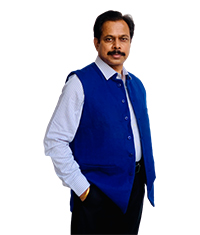
Rameshwar Prasad
invites you to the Wonderful World of Vaastu
|
|
CONTACT
THE CONSULTANT
Engineer R. Prasad (B.Tech., M.Tech., P.G.D.C.A.,
P.G.D.M.) VAASTU INTERNATIONAL
49 C (Second Floor), Pocket- B, SFS
Flats,
Mayur Vihar,
Phase-III,
New Delhi - 110096,
INDIA
TeleFax : +91-11-22615299 (Landline), Mobile : +91-
9810105218
e-mail : vaastuinternational@yahoo.com
vaastuinternational@gmail.com
|
Languages  English English Français Français Español Español Deutsch Deutsch Italiano Italiano Portugues Portugues
|